
Treatment
Endometrial Cancer
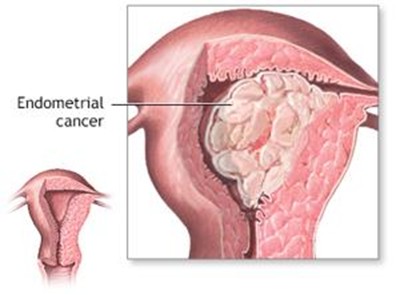
Endometrial cancer is the most common gynaecological malignancy in developed countries, primarily affecting the lining of the uterus (endometrium). Most cases are diagnosed at an early stage, which generally results in a favourable prognosis. However, a subset of patients presents with advanced disease or has a higher risk of relapse, which requires more complex management.
Risk Factors
- Obesity
- Diabetes
- Hypertension
- Older age
- Unopposed oestrogen exposure
- Family history and genetic syndromes (e.g., Lynch syndrome)
Symptoms
The most common symptom is abnormal uterine bleeding, especially postmenopausal bleeding. Other symptoms may include pelvic pain, weight loss, or a palpable mass.
Diagnosis
- Transvaginal ultrasound:First-line imaging for abnormal bleeding.
- MRI: useful to know the depth of invasion
- Endometrial biopsy:Gold standard for diagnosis.
- Molecular and genetic testing:Increasingly used to guide therapy, particularly for advanced or recurrent disease.
Staging and Prognosis
Staging is primarily surgical and includes assessment of the uterus, ovaries, lymph nodes, and other pelvic/abdominal structures. Prognosis depends on stage, grade, histological subtype, and molecular features
Treatment Options
Early-Stage Disease
- Surgery:Total hysterectomy with removal of both ovaries and fallopian tubes is the standard of care. Lymph node assessment may be performed depending on risk factors.
- Adjuvant therapy:May include radiation and/or chemotherapy for higher-risk patients.
Advanced or Recurrent Disease
- Chemotherapy:Platinum-based regimens are commonly used.
- Hormonal therapy:For select patients with hormone receptor-positive tumors.
- Targeted and Immunotherapy:
- Pembrolizumab:Demonstrated durable antitumor activity in patients with microsatellite instability-high (MSI-H) or mismatch repair-deficient (dMMR) endometrial cancer, with an objective response rate of 48%.
- Dostarlimab:Shown to have a 42% objective response rate in dMMR endometrial cancer that progressed after platinum-based chemotherapy.
- Durvalumab:Showed a 47% response rate in dMMR and 3% in mismatch repair-proficient (pMMR) tumors.
- Combination therapies:Lenvatinib plus pembrolizumab, and sintilimab plus anlotinib, have shown promising results in advanced disease
- Special Considerations
- Diabetes:Patients with diabetes and endometrial cancer may have a more aggressive disease course and worse prognosis, possibly due to differences in plasma protein expression.
- Molecular profiling:Increasingly important for guiding therapy, especially in advanced or recurrent cases.
- Follow-Up and Support
- Regular follow-up:To monitor for recurrence, manage side effects, and address psychosocial needs.
- Palliative care and rehabilitation:Offered as needed for advanced disease or symptom management