
Treatment
Endometriosis
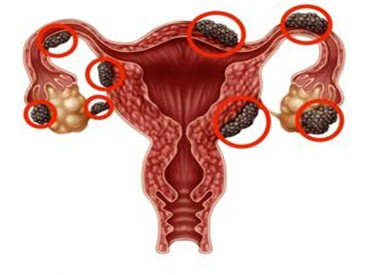
Endometriosis is a chronic condition where tissue similar to the lining of the uterus (endometrium) grows outside the uterus, commonly on the ovaries, fallopian tubes, pelvic lining, and sometimes other pelvic organs like the bladder and bowel. This misplaced tissue responds to hormonal changes during the menstrual cycle, leading to inflammation, pain, scar tissue, and sometimes cysts called endometriomas.
Symptoms
- Severe pelvic pain, especially during menstruation
- Pain during or after sex
- Painful urination or bowel movements
- Heavy or irregular menstrual bleeding
- Infertility or difficulty getting pregnant
- Fatigue, bloating, nausea, depression, or anxiety
- Some people may have no symptoms at all.
Causes
The exact cause of endometriosis is unknown, but several theories exist:
- Retrograde menstruation, where menstrual blood flows backward into the pelvic cavity
- Immune system dysfunction failing to clear ectopic endometrial tissue
- Surgical transplantation of tissue during procedures like C-sections
- Genetic predisposition and environmental factors
- Possible developmental origins during the fetal period.
Types and Stages
Endometriosis can be classified by location and severity:
- Superficial peritoneal endometriosis: tissue on the pelvic lining
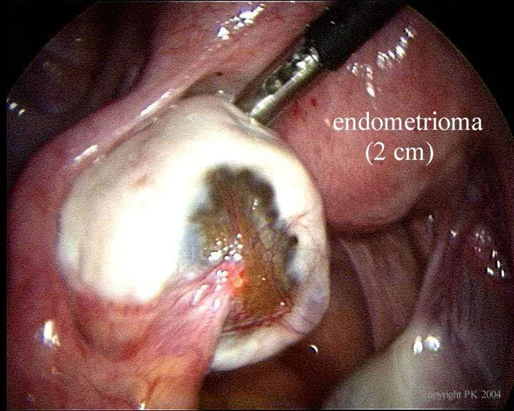
- Endometriomas: cysts on the ovaries (“chocolate cysts”)
- Deeply infiltrating endometriosis: tissue invading organs like the bowel, bladder, or rectovaginal septum
- Abdominal wall endometriosis: tissue on or near surgical scars.
Stages range from minimal (small, shallow implants) to severe (deep implants, dense adhesions, large cysts).
Diagnosis
Diagnosis often involves symptom evaluation, imaging(Trans vaginal Ultrasonography, MRI) and definitively by laparoscopic surgery with biopsy.
Treatment
Treatments to manage endometriosis can vary based on the severity of symptoms and whether pregnancy is desired. No treatments cure the disease.
A range of medications can help manage endometriosis and its symptoms.
Non-steroidal anti-inflammatory drugs (NSAIDs) and analgesics (painkillers) like ibuprofen and naproxen are often used to treat pain.
Hormonal medicines like GnRH-analogues and contraceptive (birth control) methods can also help control pain. These methods include:
- pills
- hormonal intrauterine devices (IUDs)
- vaginal rings
- implants
- injections
- patches.
These methods may not be suitable for those wanting to get pregnant.
Fertility medicines and procedures are sometimes used for those having difficulty getting pregnant because of endometriosis.
Surgery is sometimes used to remove endometriosis lesions, adhesions and scar tissues. Laparoscopic surgery (keyhole surgery) allows doctors to keep incisions small.
Treatments are individualised based on effectiveness, side effects, long-term safety, costs and availability.
Success in reducing pain symptoms and increasing pregnancy rates through surgery are often dependent on the extent of disease. In addition, lesions may recur even after successful eradication, and pelvic floor muscle abnormalities can contribute to chronic pelvic pain. Secondary changes of the pelvis, including the pelvic floor, and central sensitization may benefit from physiotherapy and complementary treatments in some patients. Treatment options for infertility due to endometriosis include laparoscopic surgical removal of endometriosis, ovarian stimulation with intrauterine insemination (IUI), and in vitro fertilization (IVF), but success rates vary.